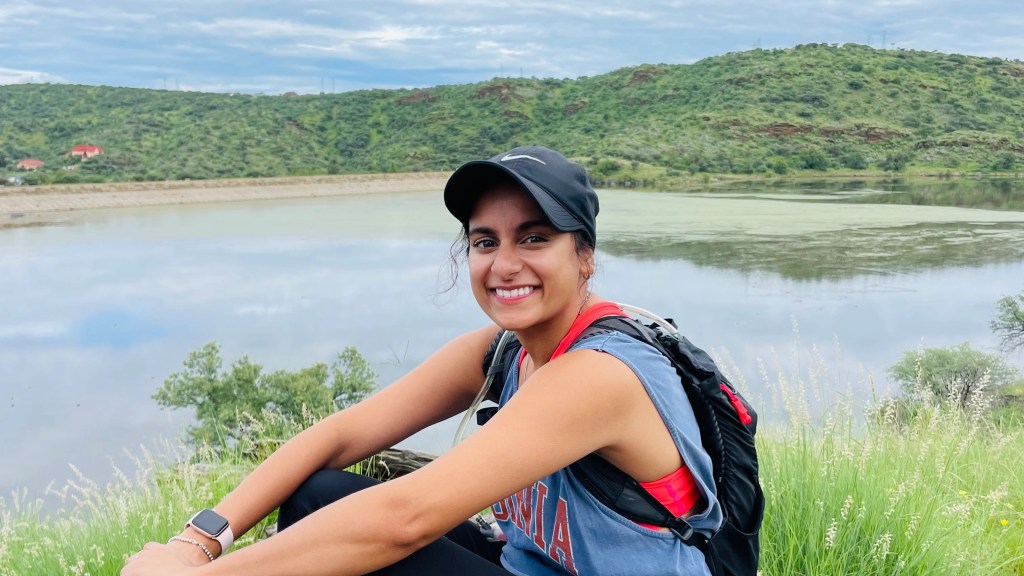
Metisa (Damara Greeting)!
I know it has been a while since my last blog post. I get asked frequently when I’ll post next, and to be completely honest, I have struggled with this latest piece.
In part the delay is due to being busy in my day to day life. But in large, the delay has come from a lack of inspiration about what to write about. It’s not that there aren’t cool things happening in my life. It’s more so that, this life I have crafted out here in Peace Corps Namibia feels so normal to me now, that it feels weird to write about. The novelty of being out in a new culture and country has worn down, as I have integrated and adapted into the life and home that I’ll call mine for the next 21 months (as my mom reminded me the other day – Koko stays counting down the time).
Alas, I am writing this, because I know my folks back home are interested to read my words, and I do believe that one day, once I’m back home in the states, I’ll miss this life of mine, and want to be reminded of all that it was.
A WEEK IN MY LIFE
Morning Routine
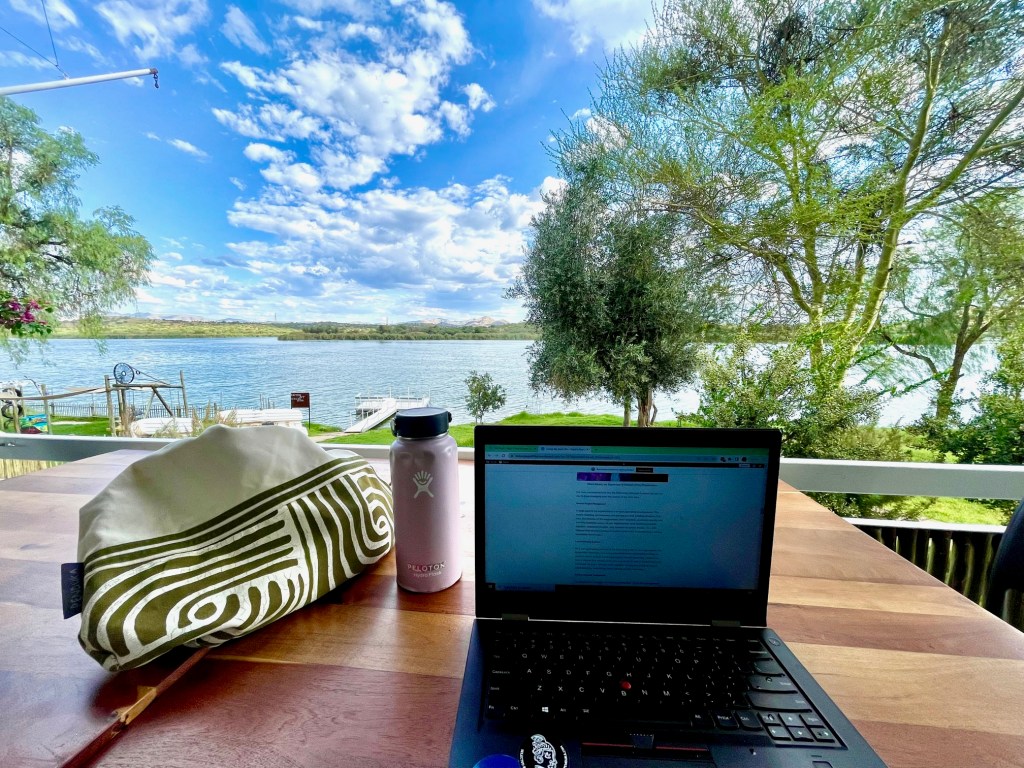
Maybe it’s the nature of being a business volunteer in the Peace Corps, or maybe it’s the fact that my site is in a very urban setting, but my day-to-day work schedule is not strikingly different from back at home.
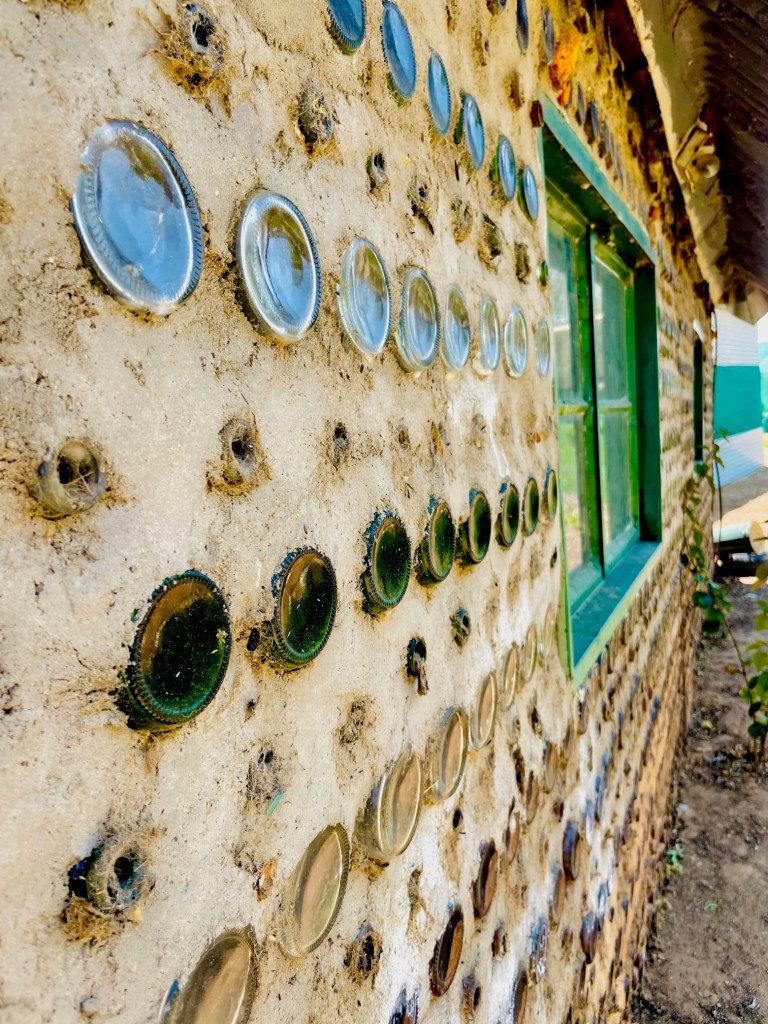
Work starts at 8AM, and I live at work, so I usually wake up around 7AM. My house is made of clay and glass bottles, so it retains very little heat. This is very nice for the hot afternoons, but it makes getting out of bed very hard with the cold Windhoek mornings.
After snoozing my alarm multiple times, I pull out my mosquito net, which is tucked tightly into my bed to ensure no creepy crawlers get me in my sleep, then I get ready for work, make my coffee, and head out the door.
Morning Greetings
The first thing I do when I walk up the steps to work, is start finding people to greet. I start at the restaurant / terrace and greet Aunty Sanna in Damara (a clicking language). Then I greet the rest of the Hospitality memes in Vambo. I then do the same in the Production department, and I end my greetings with the admin team who work in the office, which is where I usually begin my workday. In Namibia, we greet each person individually, making the whole greeting process take about 20 mins daily. The morning greetings usually go something like this…
Wa lele po Meme! (Good morning meme!)
Kajol
Eeeee, wa lele po Ndahafa (Yes, Good morning Ndahafa)
Meme
Eeee. Nawa tu? (Yes, Are you good?)
Kajol
Eeeee, Nawa. Wa kofa nawa, Nkelo? (Yes, I am good. Did you sleep well, last born?)
Meme
Eee, onda kofa nawa Meme. Wa penduka nawa? (Yes, I slept well Meme. Did you wake up well?)
Kajol
Eee, Onda penduka nawa. (Yes, I woke up well)
Meme
Ewa tangi meme, oshi li wete. (Ok thanks Meme, see you later)
Kajol
Even though I have done this every day for the past 3 months, sometimes it still feels a little awkward. I think that’s just the American in me, wanting to say one big group greeting and then move along to my work. I do love the Namibian way though, as it feels more personal and respectful.
Work, Work, Work
Once I sit down to work, my days generally feel productive and full. I work on whatever projects I want to work on; my supervisor (the Director of the organization) gives me full autonomy of my work. The work I do at my organization reminds me of a lot of the work I did in my past life as a consultant. The biggest differences being that 1) I get to do the consulting work for a social enterprise centered around empowering women (a dream) and 2) I determine all my own projects which allows me to focus on my strengths and provide value in whatever ways I feel confident. I am thankful that the imposter syndrome that I used to feel in my old job, trying to be a jack of all trades for anything that came our way, is no more.
For now, my projects look like the following, although I expect my day-to-day to keep changing over the course of my time here…
General Project Management
A large goal of my organization is to start operating as a business. This means cleaning up processes and procedures and building structure. For now, the Director of the organization and I schedule consistent weekly and monthly meetings across all our departments, draft meeting agendas together, document minutes, and maintain an action tracker. I’m a full believer that structure makes a world of difference in establishing a strong foundation for change.
Local Marketing & Events
As a way of drawing in more of the local foot traffic to our organization, the Hospitality Team and I are in a constant brainstorming mindset thinking of creative events to host at the organization. On the upcoming calendar we have a Market Day scheduled for the end of March, and an Easter Egg Hunt scheduled for April. We also work together on capacity building around event planning, advertising, menu setting, pricing, and more.
Building Financial Transparency
My organization struggles to maintain profitability. While the management team understands why this is, the rest of the team is in a constant state of frustration, unable to see why their wages don’t increase year after year. My supervisor voiced how this lack of understanding was creating a lot of animosity towards the leadership team, with employees thinking there was stealing occurring under the table. To mitigate these false suspicions and bridge the understanding gap, my supervisor and I decided together to create a monthly overview on the organization’s financial profitability. Building understanding around finances, be it personal finance or business finance, is a topic I am very passionate about. Across the globe, people think of finance as a foreign concept, too intricate to understand. In reality, money makes the world go round, and is something everyone should take ownership over understanding. For now, I am working on building this knowledge around business profitability. Overtime I will try to move into the space of personal money management coaching as well.
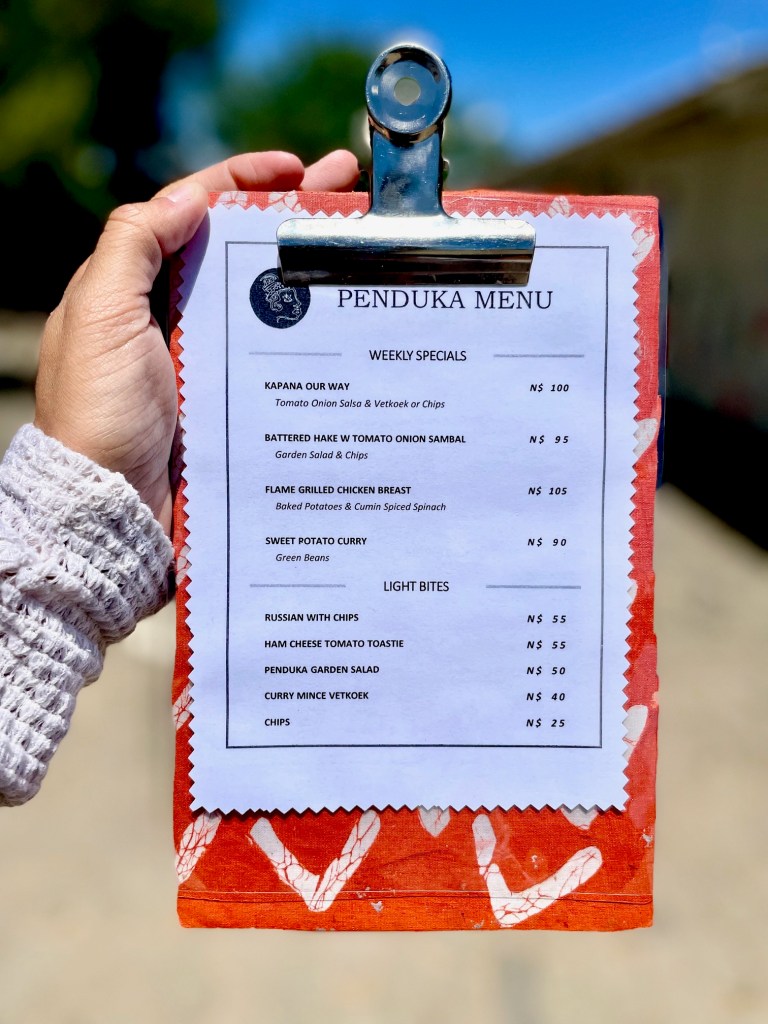
Re-costing / Pricing all Goods & Services
Costs have gone up astronomically in Namibia since the pandemic. Yet, my organization has yet to adjust any of the prices for their goods and services. After doing a deep dive into some of the pricing, I quickly realized we were selling many of our items at a loss. I am working with the women to help them understand how to price goods. We discuss the considerations of direct costs (COGS), overhead expenses, and profitability margins across different industries. This is a long process, but we are tackling it slowly. There is always an innate fear that raising prices will detract customers. This is a learning lesson for me too. None of us have all the answers on the right way to do this, but we work together to share knowledge, and hopefully one day see a more profitable organization.
Capacity Building
With all these projects, the biggest learning curve for me is the capacity building side. It’s hard for me to shake the side of me that values efficiency and getting things done quickly and independently. However, if I work on these projects in a silo, then there is no lasting effect of my efforts. Rather, as Peace Corps volunteers, we must be extremely intentional about working alongside our communities on teaching them how to do everything. I have a whole new respect for teachers after being put into this role, because it takes all the patience I have to not simply “do it myself”. At the end of the day, I always remind myself that if I value present day efficiency then I forgo all my long-term sustainability goals for the work I am doing out here.
After Knockoff
Post work, my evenings are simple. Every evening I clean my house. It gets sandy and bugs gather quite easily, so I do a quick daily sweep and wipe down.
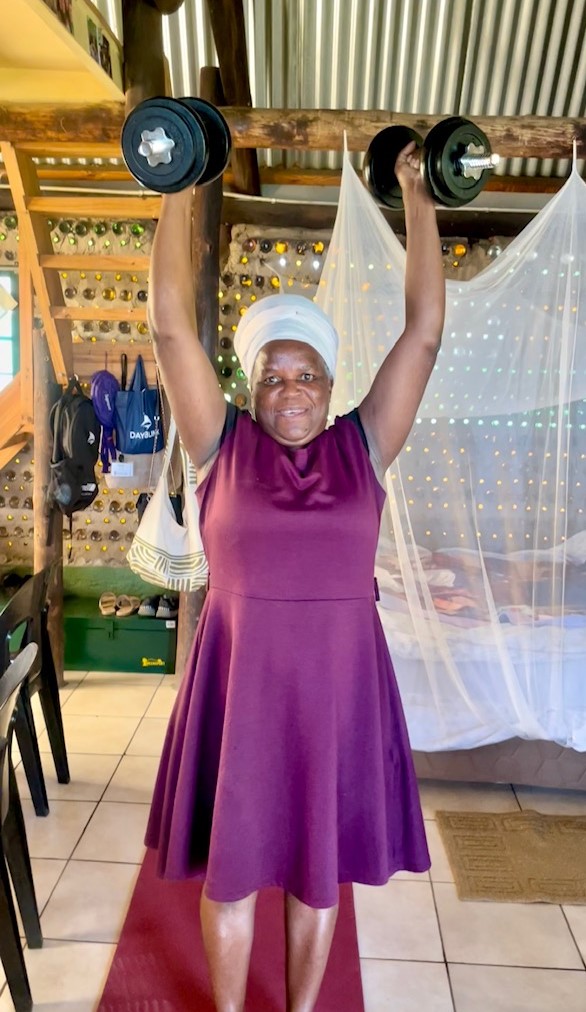
Around 6:30 PM, I head out for a run with Lukas or Makili. Depending on the day we will run anywhere from 5K – 10K. On days when we don’t make it out for a run, I throw on a Peloton Strength workout and lift with my weights that I gifted myself for my 26th birthday.
Once I’m done with my workout, I cook dinner. The only difference in cooking here than at home, is the amount of time it takes to make nearly everything from scratch. I’ll spend at least an hour making dinner most nights.
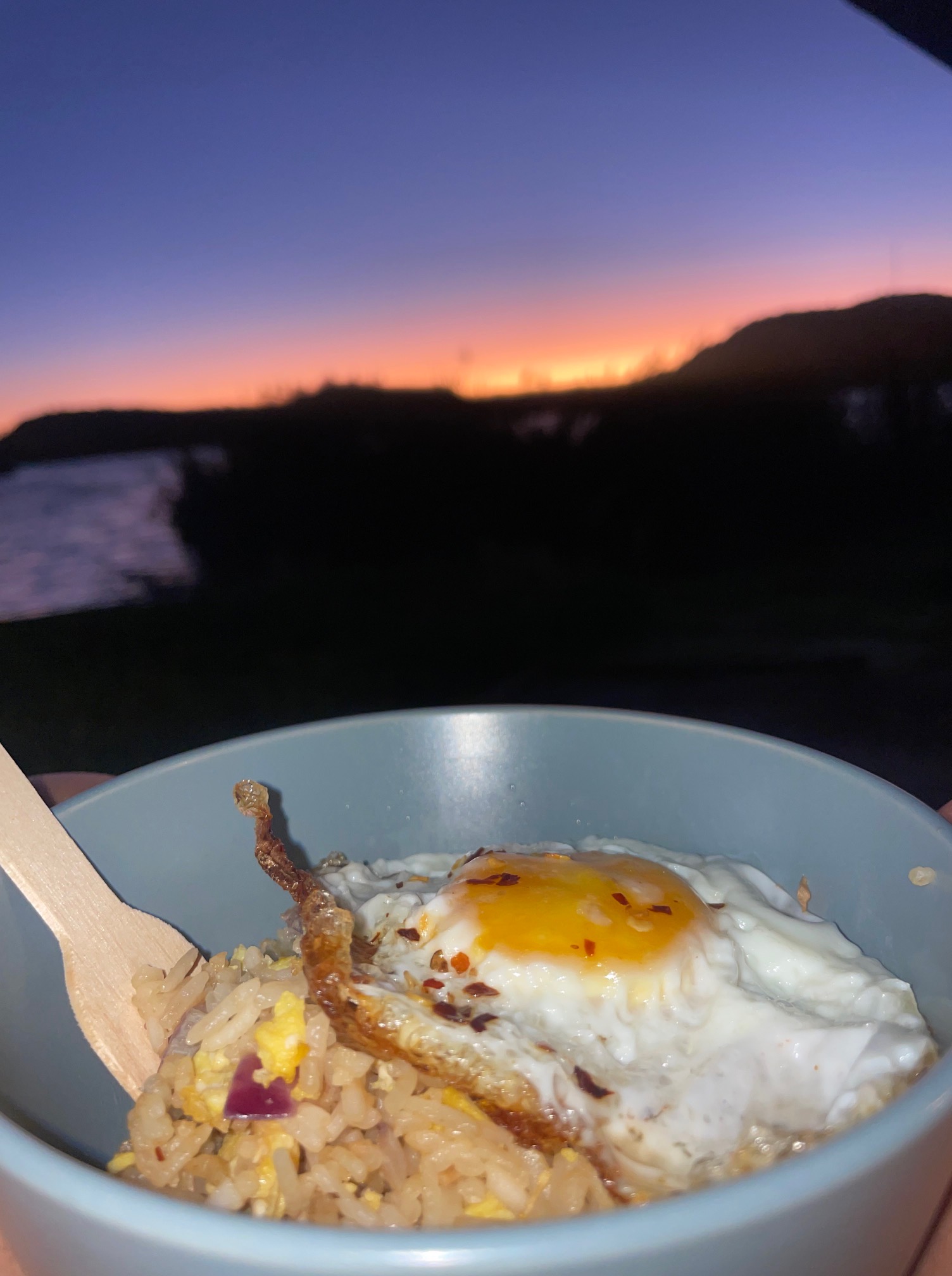
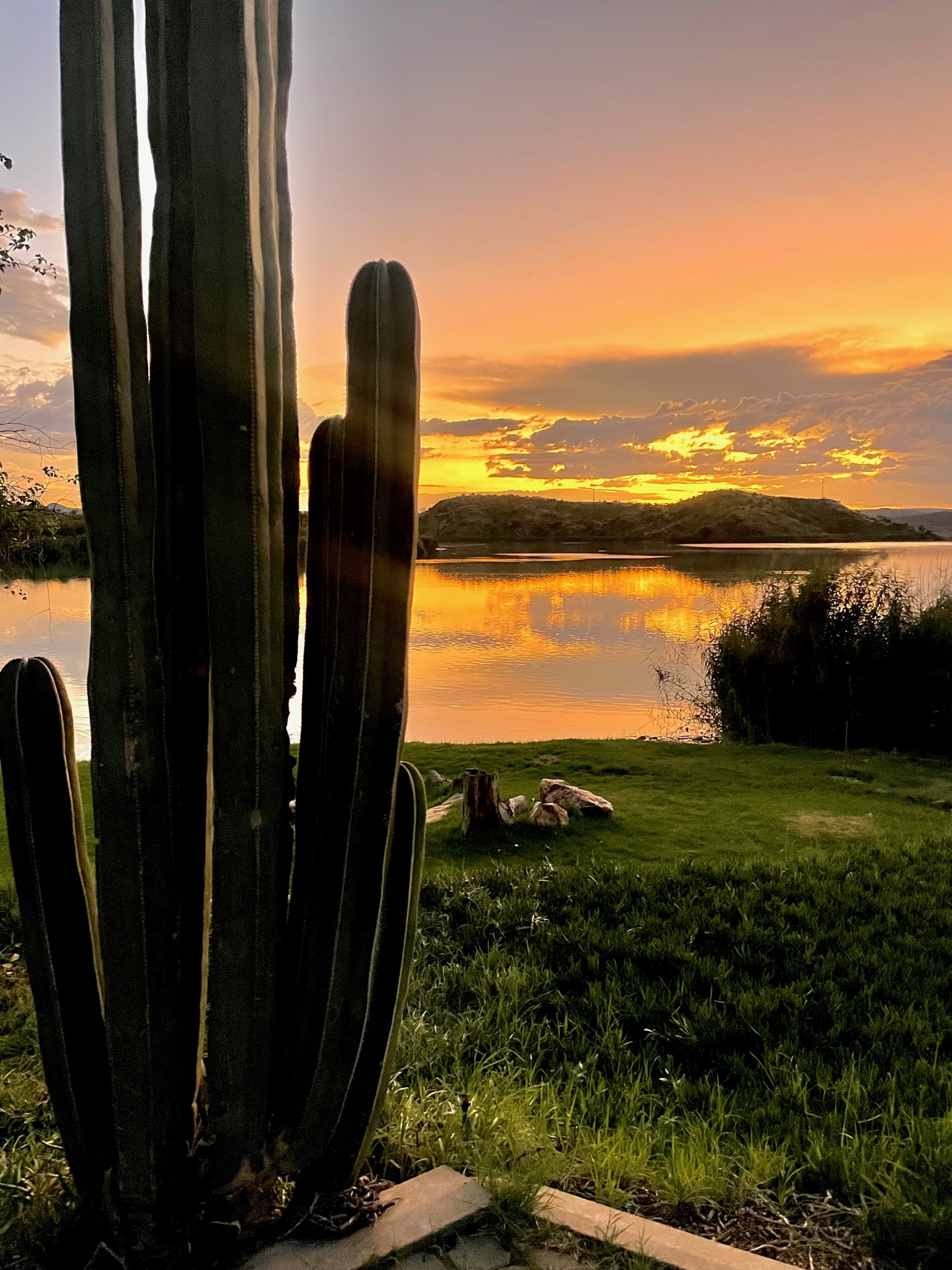
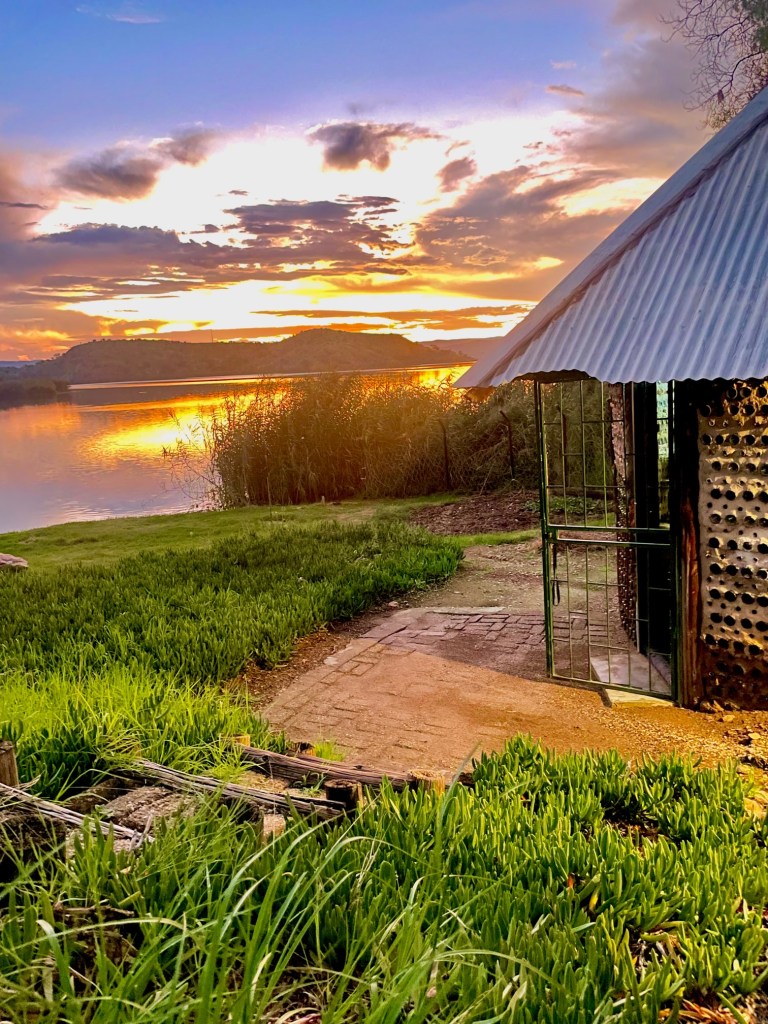
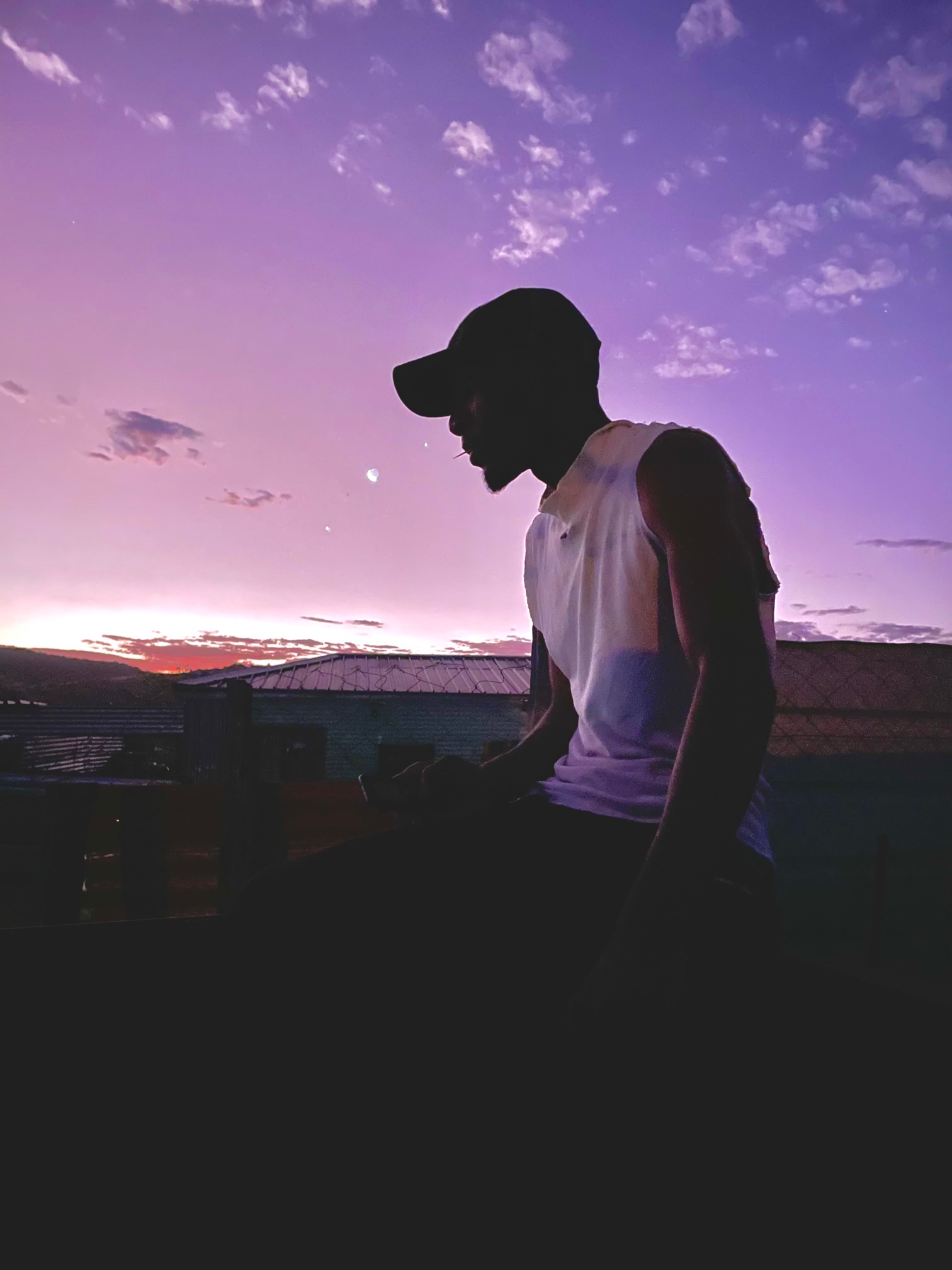
While I’m cooking dinner, or while I’m eating dinner, the sun begins to set. I try to catch the sunset nightly outside of my house. It is truly breathtaking and I’m already sad to one day have to leave this view. Shoutout to my best friend Jenna for sending me a hammock. I plan to put it up this weekend and lay there nightly as I watch the sky do its thing.
After dinner is done, dishes are washed, and I am showered and moisturized (super important as it’s extremely dry out here), I’ll usually end the night with some phone calls to my volunteer friends, friends or family from home, and always at least a 2-minute call to say goodnight to Ady. I am so thankful for how well my cell service is out here and that I don’t have to rely on letter writing to communicate with my loved ones.
Weekends
I reserve my weekends for chores and relaxation. Every weekend I do a deep clean of my house and hand wash my laundry. Some weekends I skip handwashing, and then heavily regret that decision when I’m left to wash double, sometimes triple, the laundry the next weekend.
The rest of the weekend I spend however I want. Sometimes I make content for my Tik Tok / social media vlogs. Sometimes I journal. Sometimes I sit out on the rock in front of my house and jam to country music. Sometimes I practice my embroidery needle work. Sometimes I meal prep and make tortillas or pasta sauce in bulk for the week. Sometimes I watch movies. I just do whatever my heart desires.
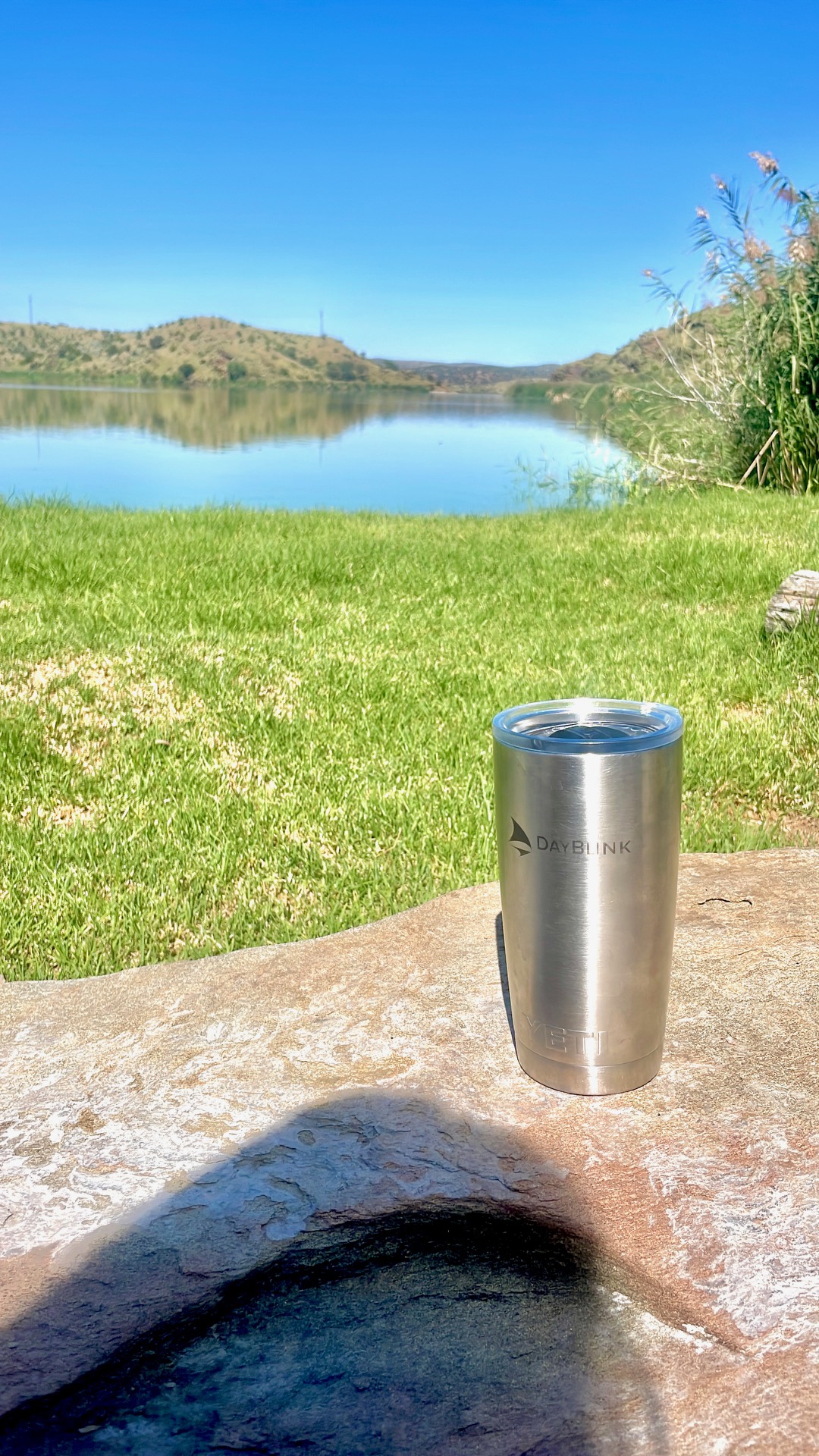
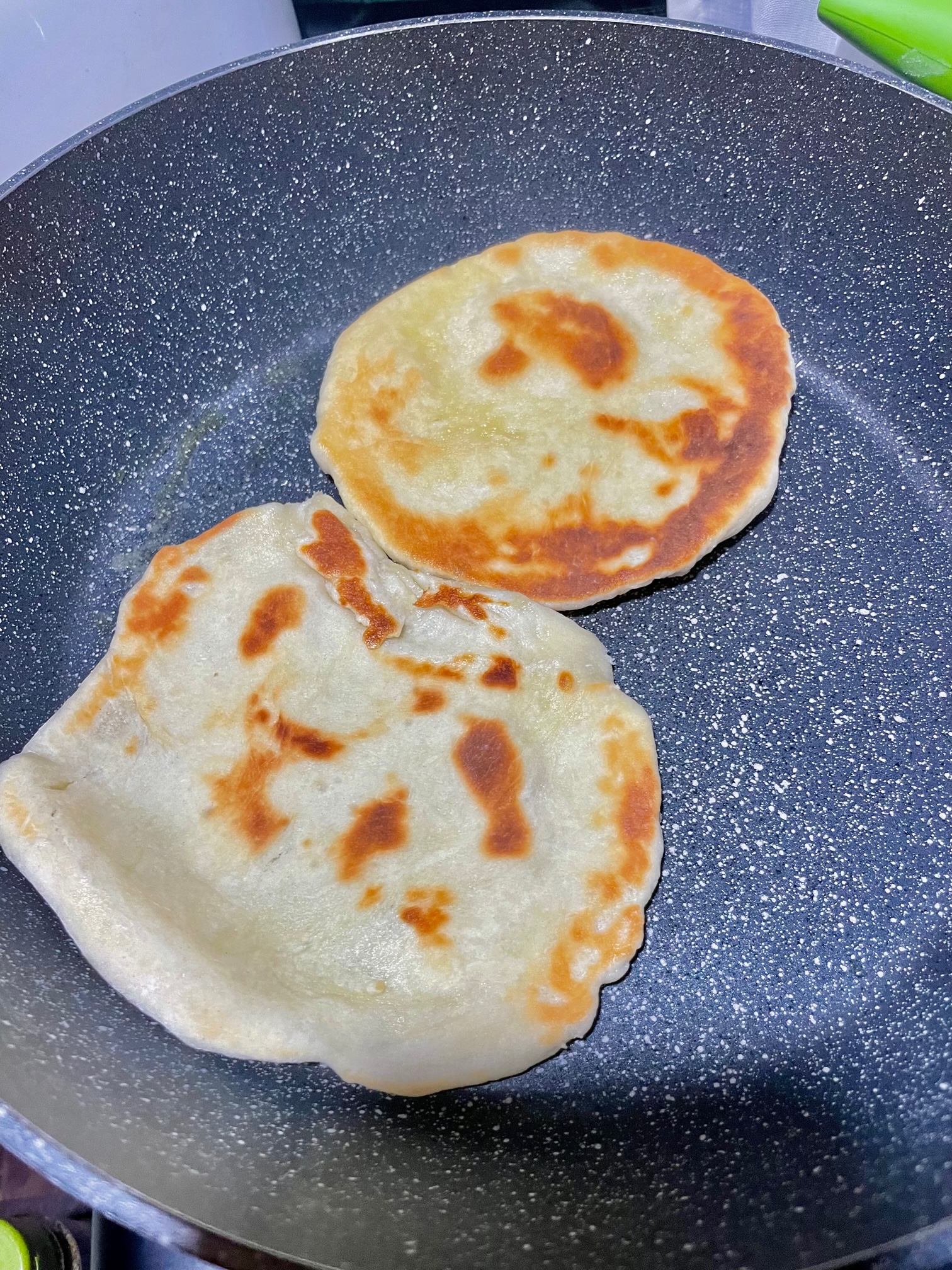
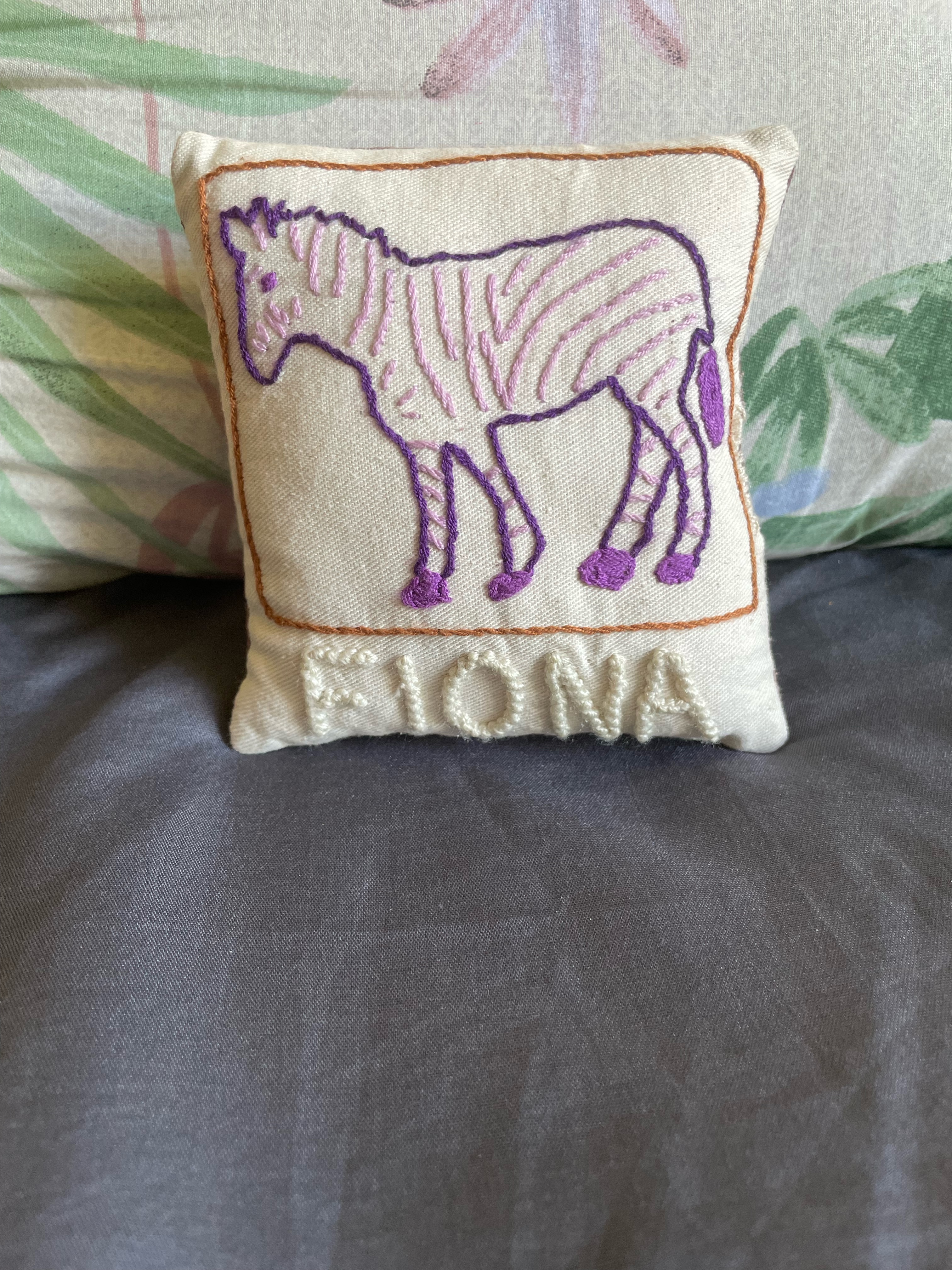
There is something really special and serene about having no distractions or other commitments in your life. It’s perhaps my favorite thing about being out here. I live a generally stress-free life – unconcerned with catering to anyone except myself, unbothered by what anyone else is up to, and unperturbed by the fast-paced rat race to success mentality that used to consume my career and network back at home.
My dad grew up living abroad, born in India, then to Tokyo, then to Fiji, before he settled down in the states. He has always had a very nirvana-like state of mind, never stressed always calm. I can’t help but link his life experience of living within different cultures to his overall mindfulness, and hope that I am in the process of developing something similar that I will bring home with me and live by for my whole life.

PRACTICING POSITIVITY
I don’t mean to paint and unrealistic picture of life out here. It’s not always rainbows and butterflies. In fact, almost every day, it’s spiders, lizards, and roaches in every corner I look at. There are moments I miss the luxuries of life in America. I think about my Chipotle and Sweetgreen orders almost daily. Local language learning is getting harder. I’ve gotten to the point at work where I have started implementing small projects in hopes of creating sustainable changes, only to see most of them fail in these early stages. I miss my partner and feel sad I can’t be there physically to celebrate some of the big moments in his life.
But I believe happiness is a mindset. There are two sides to each perspective, and I like to remind myself of the positive sides to all my negative thoughts. It’s not my way of diminishing the bad, but rather my way of making the most out of an experience I have dreamt of for so long.
For example…
On craving a juicy steak bowl from Chipotle
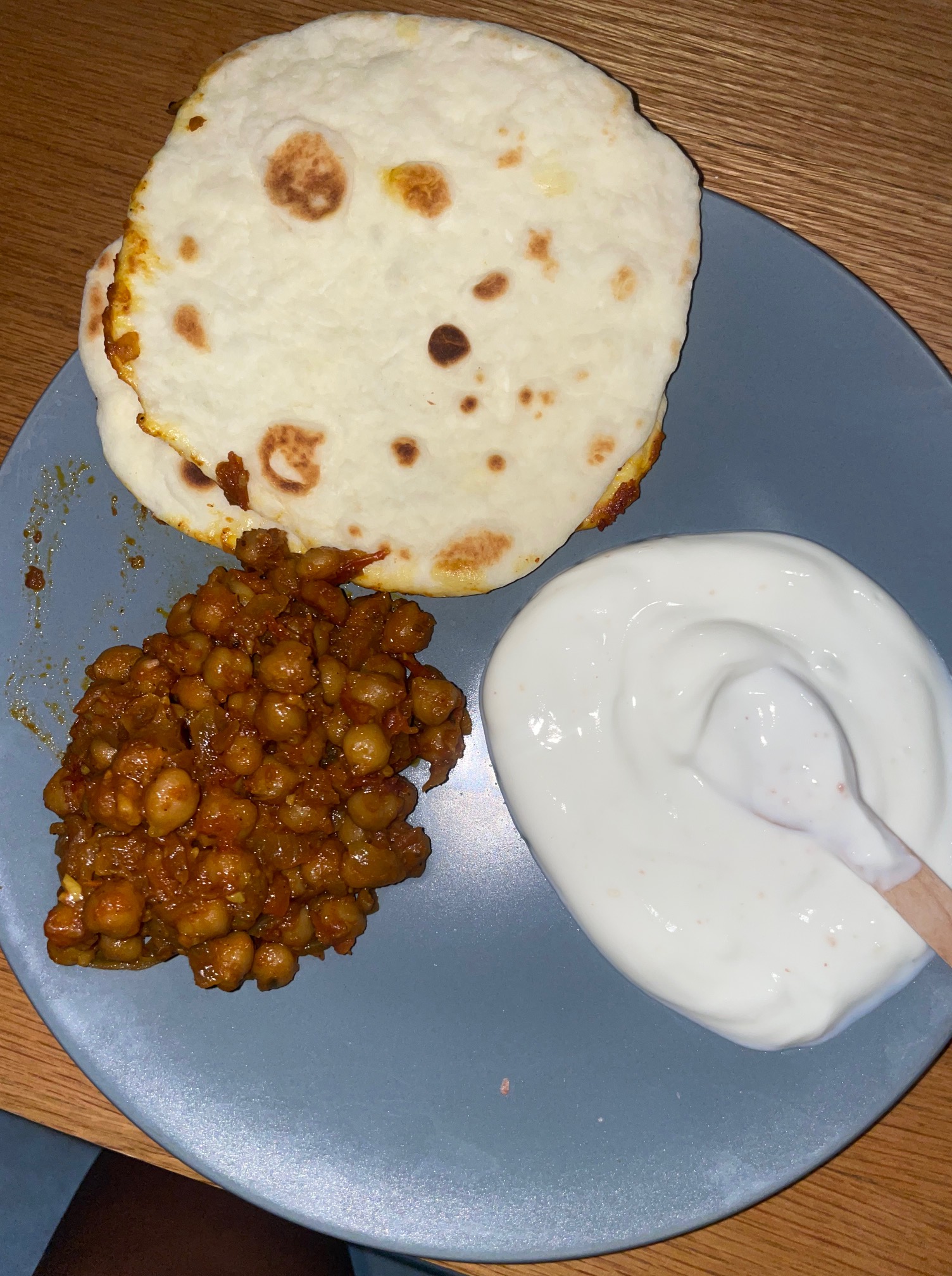
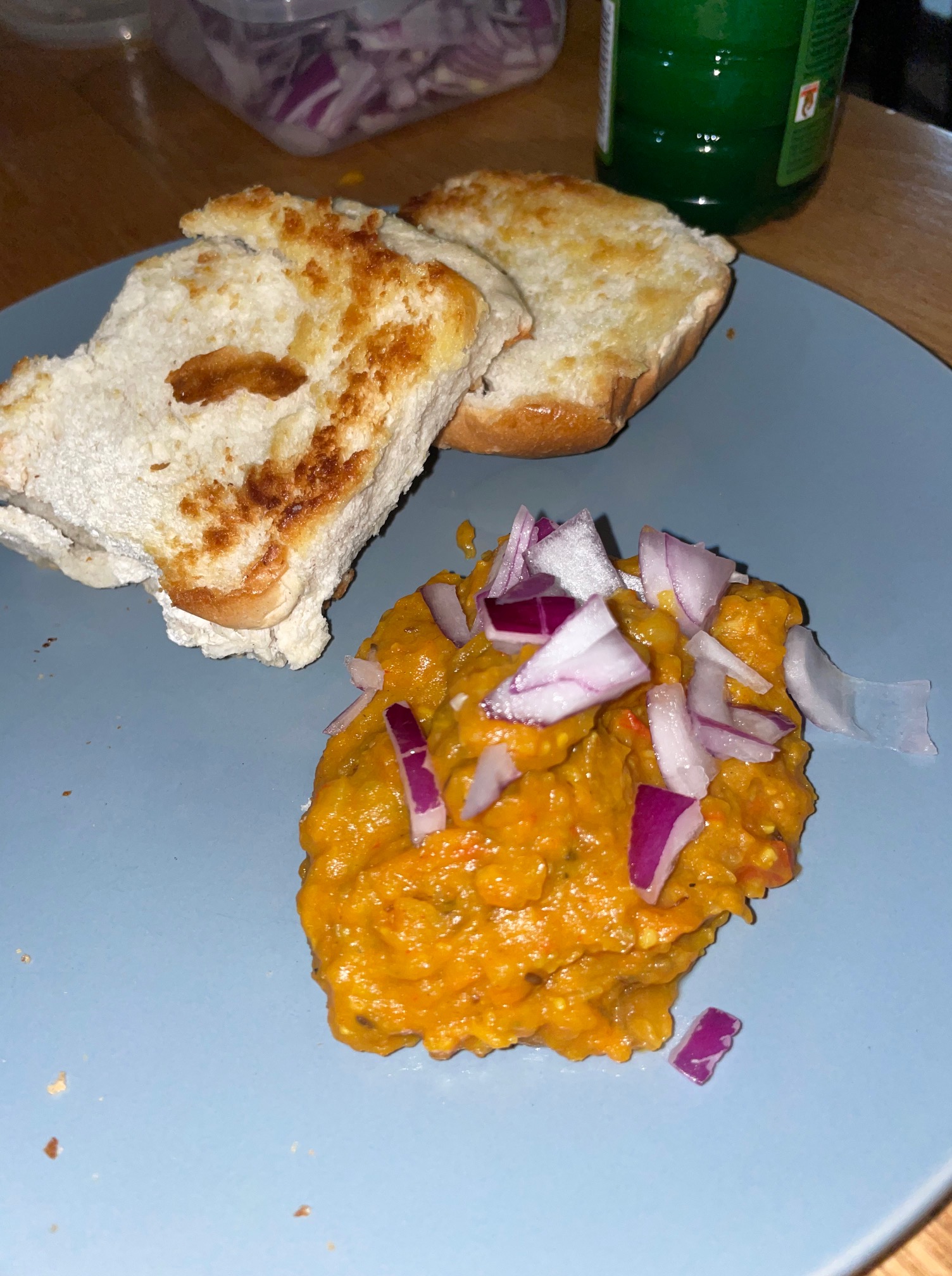
I do miss American food, especially all my favorite DC and Gainesville regulars, but I’m cooking more than I ever have before and I am so excited to bring those recipes back home with me. It took me moving to Namibia to start learning how to cook Indian food because I was missing the flavors I always took for granted when my mom served her classic dishes.
On Language learning making me want to punch a wall sometimes
Language is tough, but out here we are lucky that it’s our language effort, and not ability, that counts. Everyone in Namibia speaks English, meaning language is not a survival tool, but rather an integration tool. It takes the stress off learning, as I remind myself that I’m practicing Oshiwambo to show cultural humility, but thank God my safety does not depend on it.
On failing, a lot
I remind myself daily that failure is great, and it’s a part of the learning process. It would make for boring stories if the solutions I worked on with my community worked right away. Plus, now I will have a large repository of examples to the question “tell me about a time you failed”.
On missing Ady, Jen, Mom, Dad, Bhiya, Maddie, Sahana, Nayan, and everyone else from back home
Of course I miss my people, but I’ve gained a family in my community at work, and I’ve gained some best friends in the volunteer cohort. Make new friends and keep the old, am I right?
MY COMMUNITY
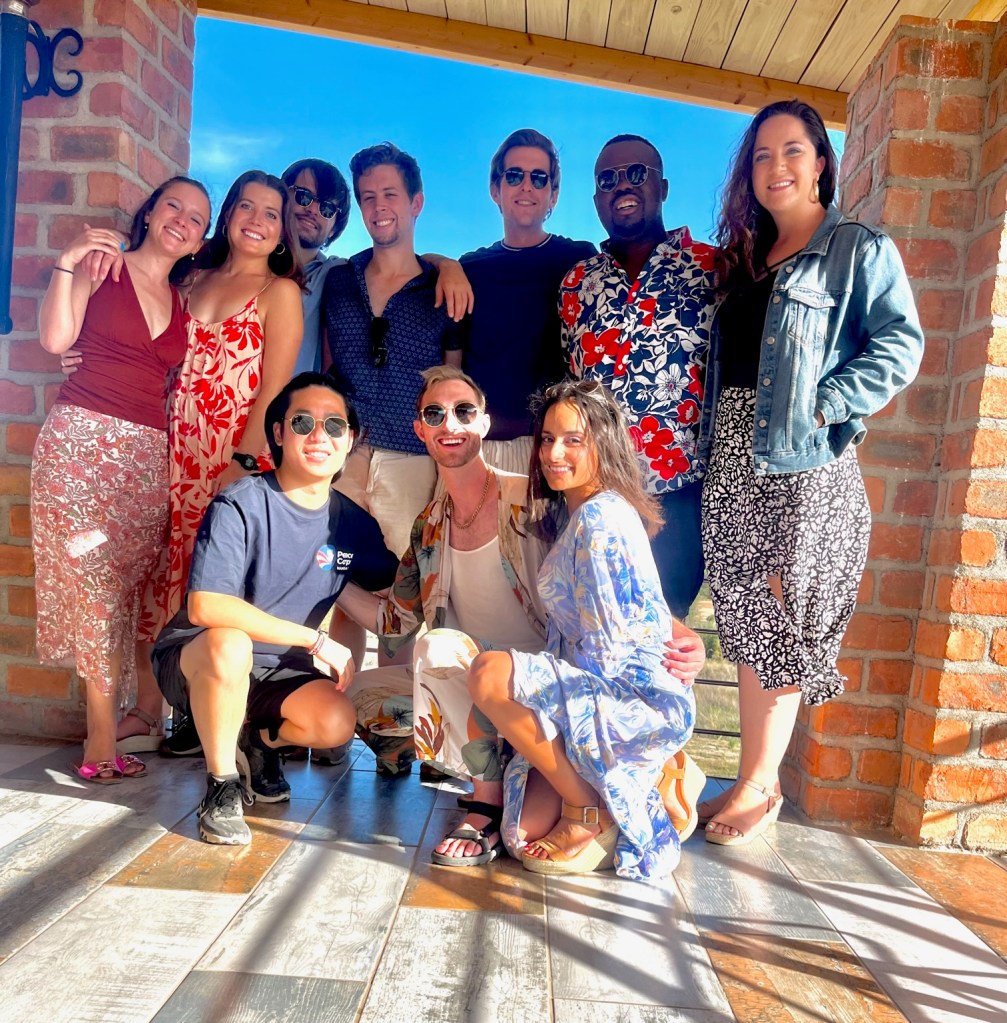
When I first came to site, I was scared I’d feel isolated and constantly feel the need to be “on” in a community that would never quite feel like home. I assumed the cultural and age barriers would be an inhibitor in developing close bonds.
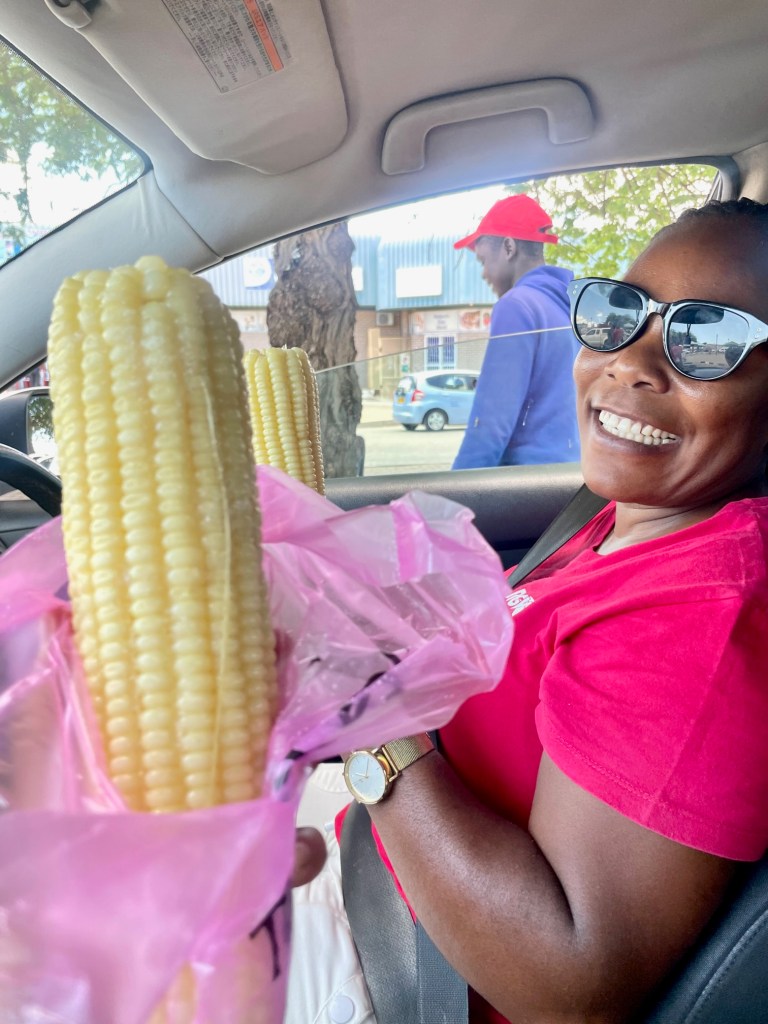
I’ve never been so happy to be so wrong. My community here took me in as their own. I’ve learned to love the way they show their care and affection. It’s the way my community refers to me as nkelo (last born), nona (baby), kadona wange (my girl), and vambolicious (not sure what this translates to). It’s the way they make me eat a large chunk of ginger and massage my arm in vinegar when I get stung by another wasp. It’s the way Melani will come help me handwash my laundry because she knows if she leaves me to do it by myself, I’ll be at it for 9 hours. It’s the way that at least 10 people from the community have joined me on an evening run, even though they never ran before in their life. It’s the way that it doesn’t matter if its 5 in the morning or if there’s an Arsenal game on, Lukas will walk me a mile down the dirt road if I need to get out of the gates for any reason.
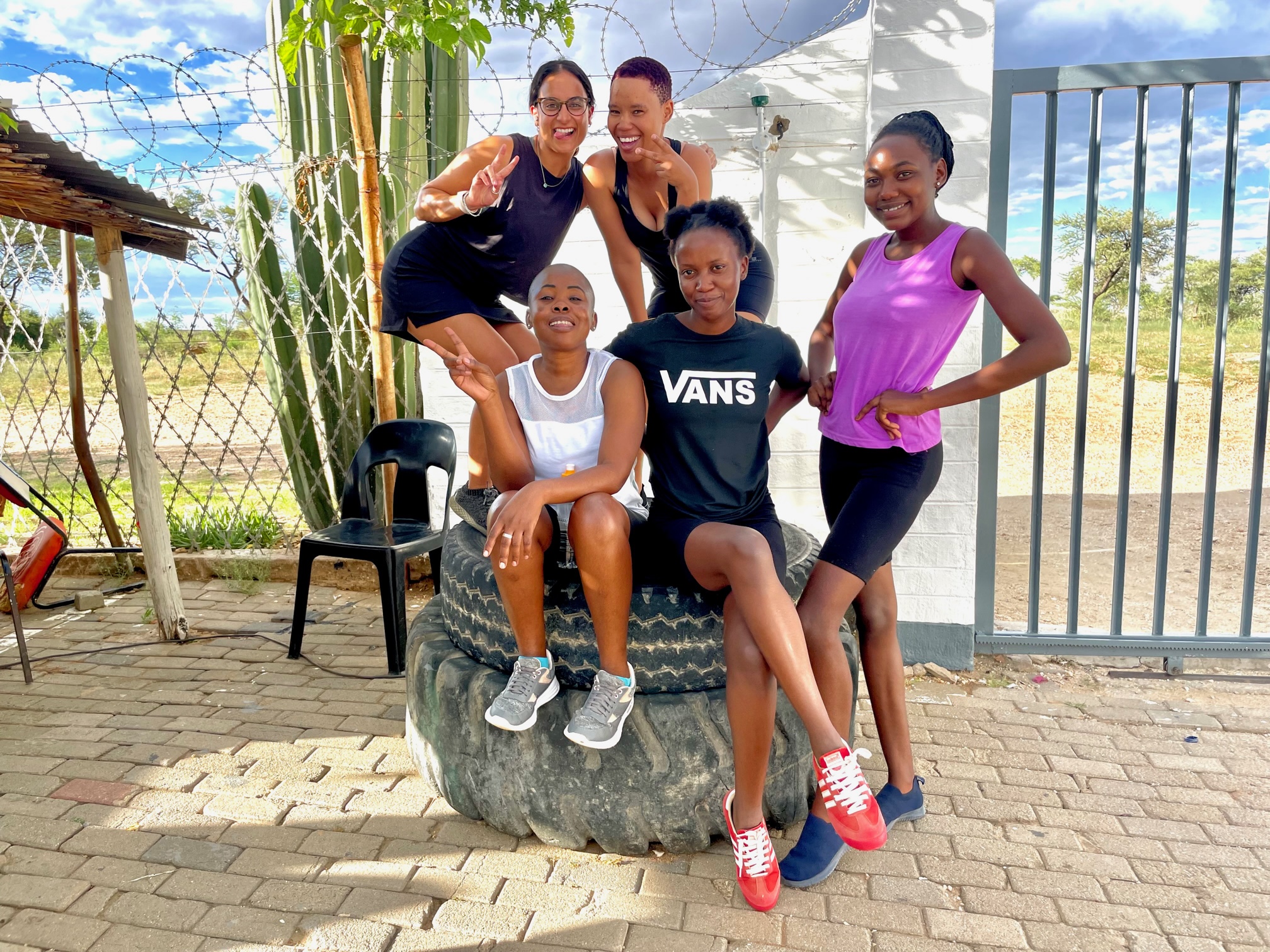
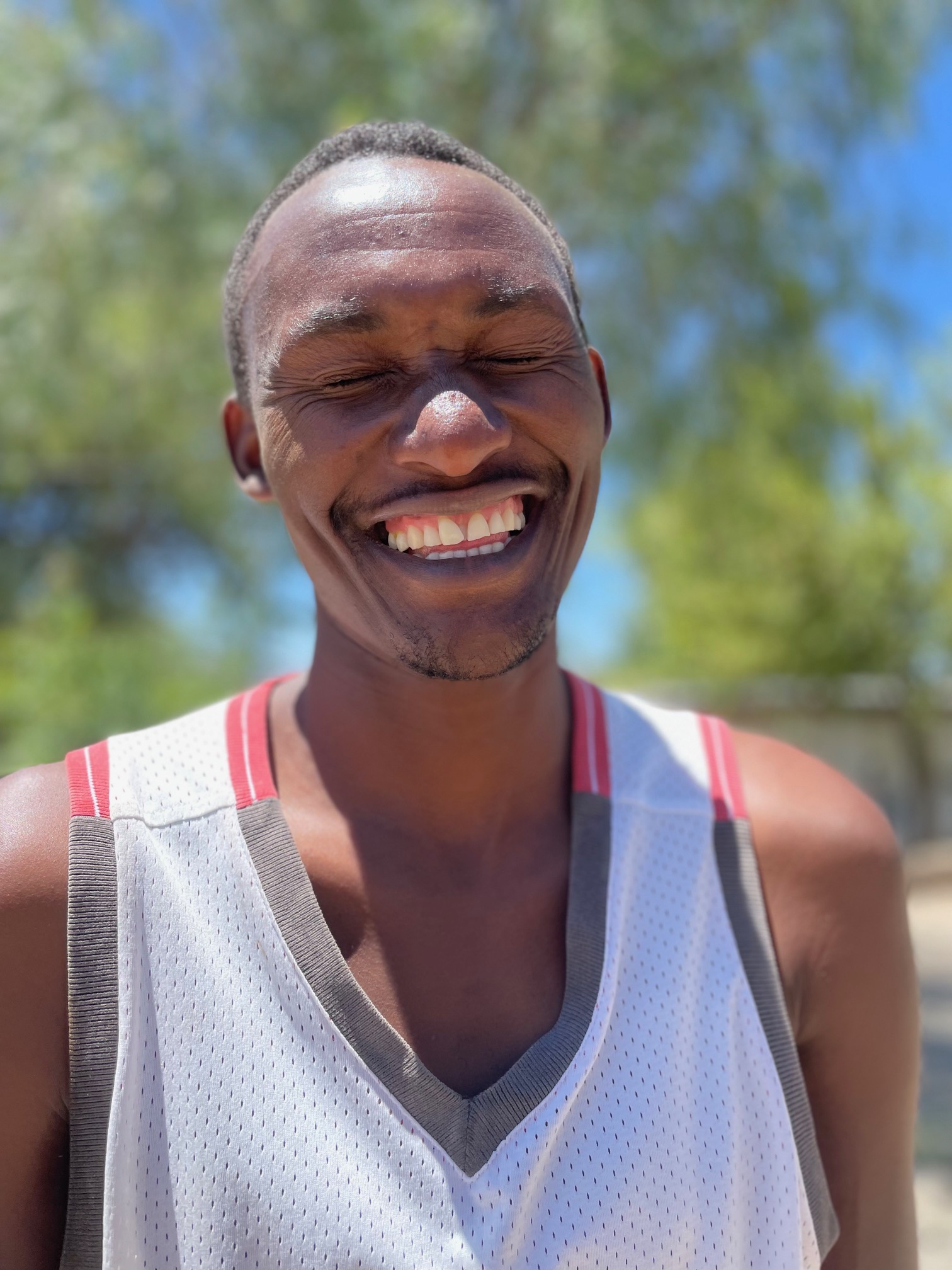
I could go on and name a million ways my community shows their love through acts of service for me. I receive it daily, and it has made this place feel like a home. They didn’t have to take me in as their own, but they did and I am eternally grateful for that.
I was talking to an old Peace Corps Namibia volunteer the other day, and he told me how both his parents passed during the pandemic. He came back to visit his host family that cared for him when he was a volunteer here in Namibia, and in referring to the members of his family he said, “that’s my mom”. It gives me chills to know that is the power of connection out here. If you open your heart to it, there are bonds like no other, waiting to be formed.
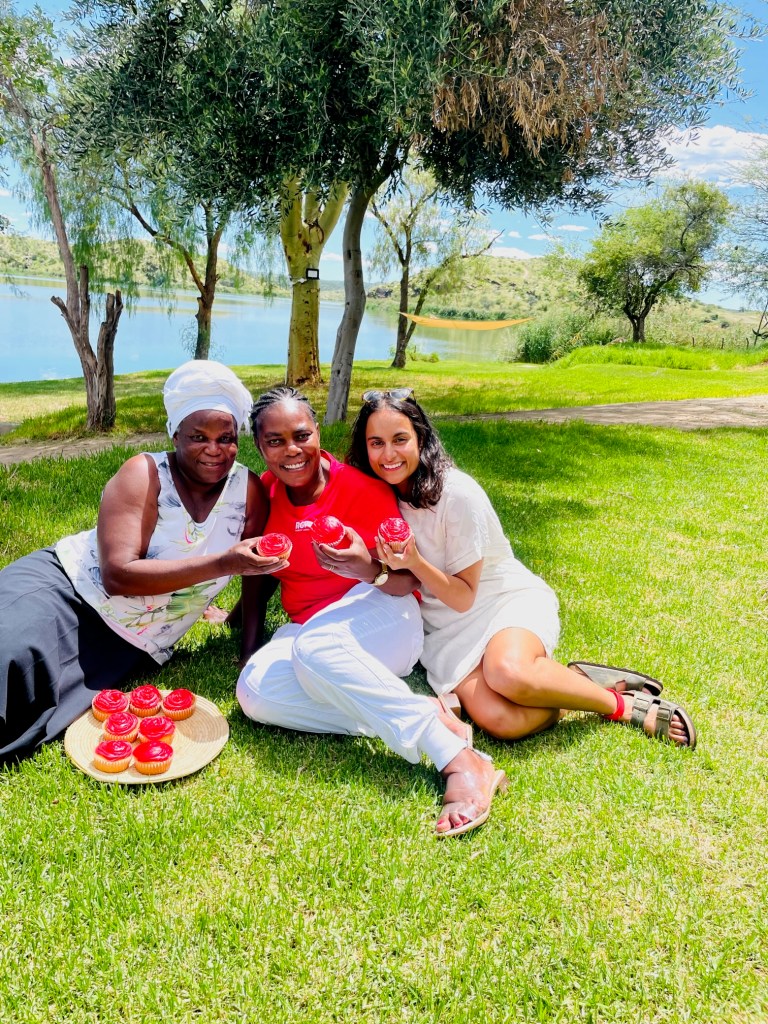
Peace & Love o’famili yange (my family),
Kaj
 Kajol's Peace Corps Blog
Leave a comment