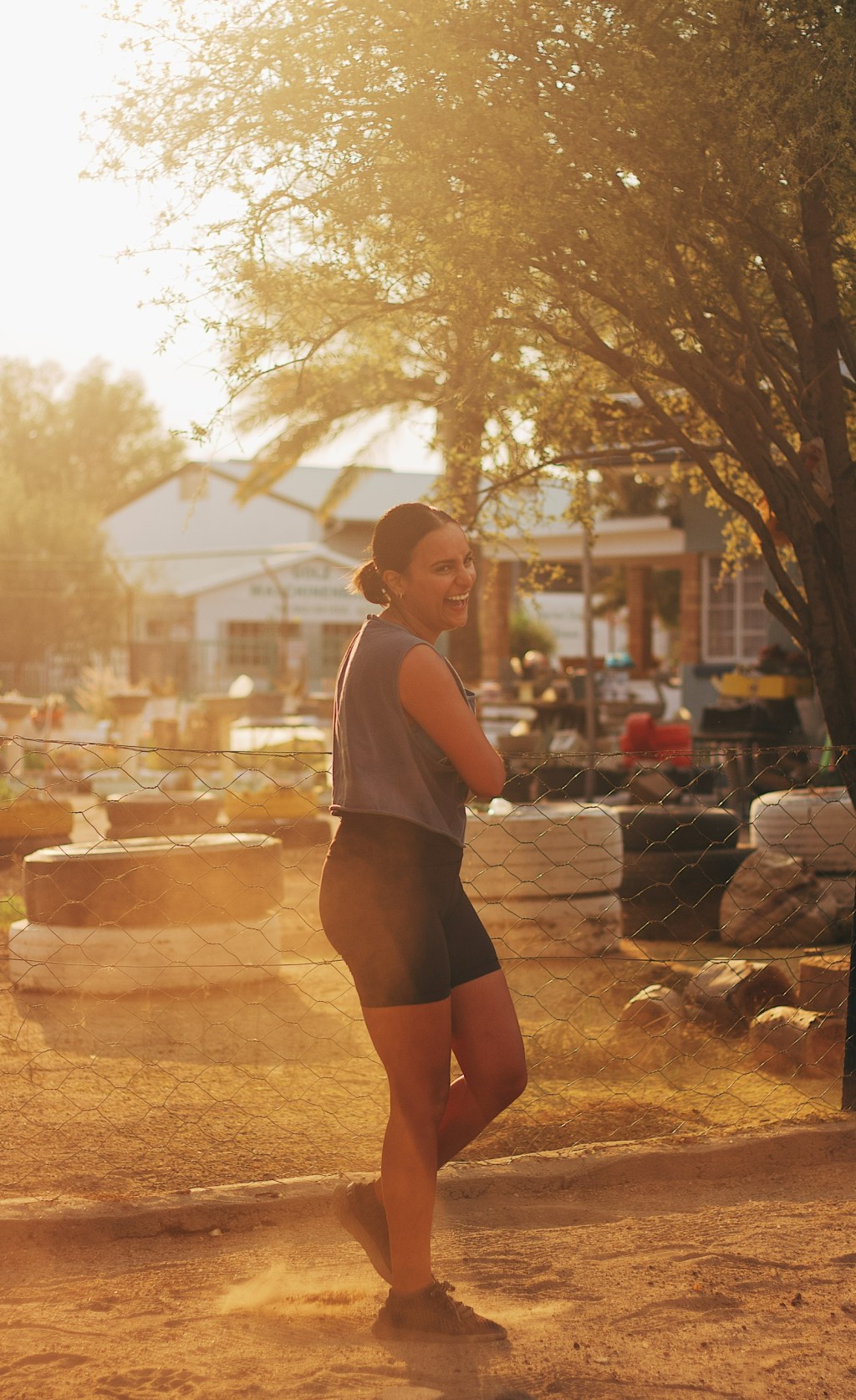
Oshi li ongaipi! (Informal greeting, Oshikwanyama)
Life has been good here in Peace Corps Training Namibia. They call the first couple of months the Honeymoon phase and I can certainly understand why. I’ll jump right into the content here, I hope you’re ready for some light updates, adorable pictures, and insightful learnings.
UPDATES
LANGUAGE PLACEMENT
We got assigned our site languages, and mine is OSHIKWANYAMA! This language is spoken by the Oshiwambo people of Namibia who originally resided in the northern regions of Namibia. Although I still do not know what my permanent site will be, the language placement does give a slight indicator on where I’ll potentially be living. A cool thing about my language is that there are 12 dialects that the Oshiwambo people speak, and Oshikwanyama is one of them. Once I am conversationally fluent in Oshikwanyama, I should be able to understand and converse with most Oshiwambo speakers, so it is kinda like a 12-in-1 langue course! The other perk is I have the best language group: Colin, Chris, Megan, and meme Rachel.
EXPLORING AROUND TOWN
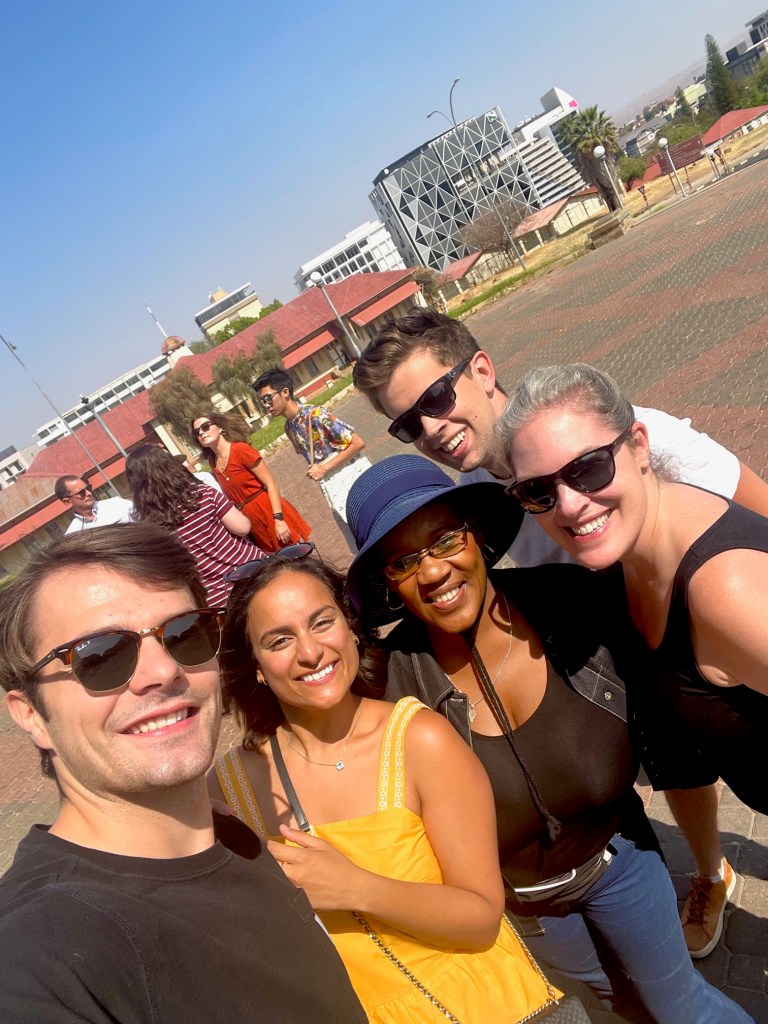
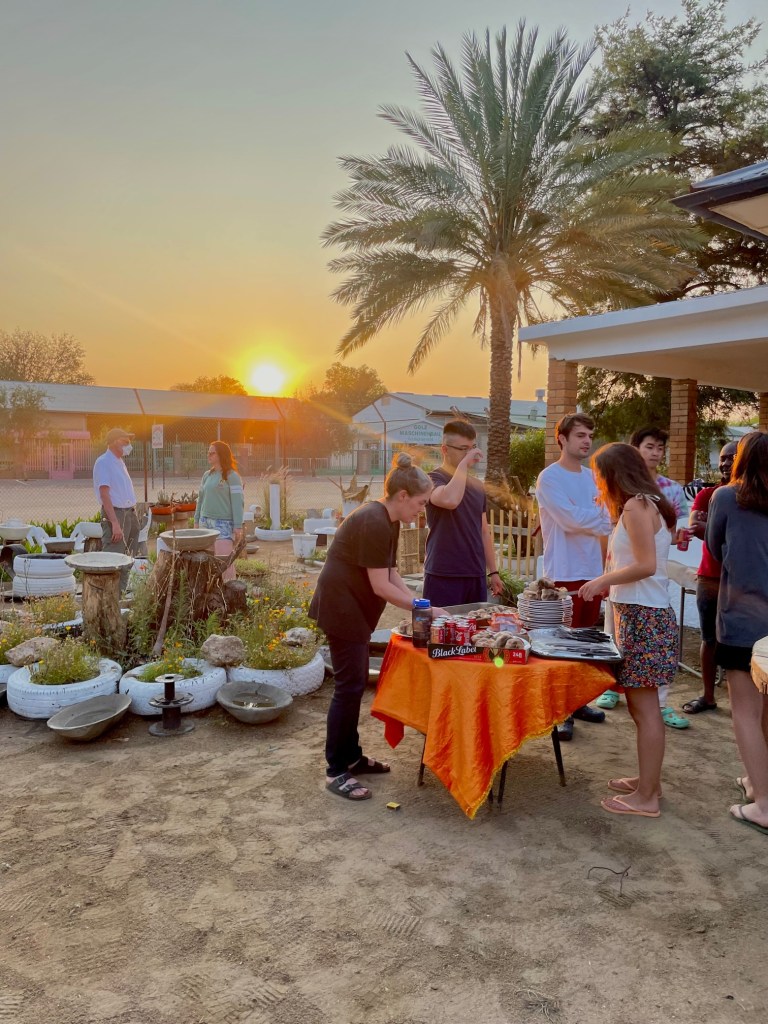
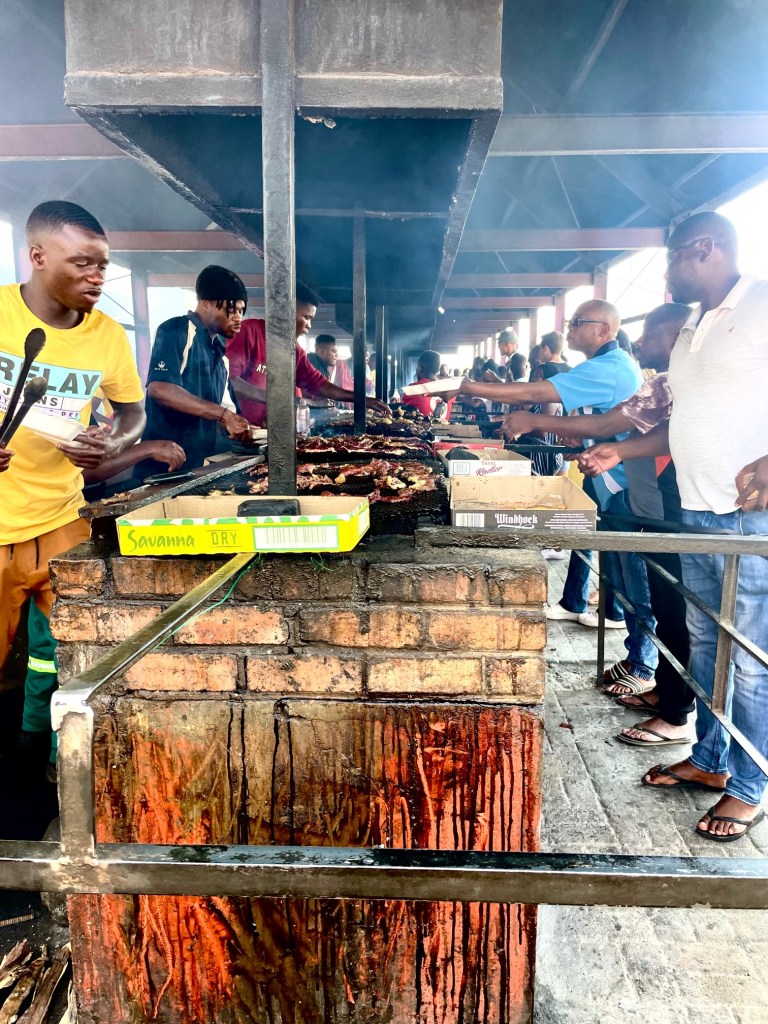
We ended sequestration and can leave the training center! We spend most evenings exploring the cute, sandy, and palm tree filled town of Okahandja. This past Saturday we stepped out to explore Windhoek, the capital city.
SINGING & DANCING
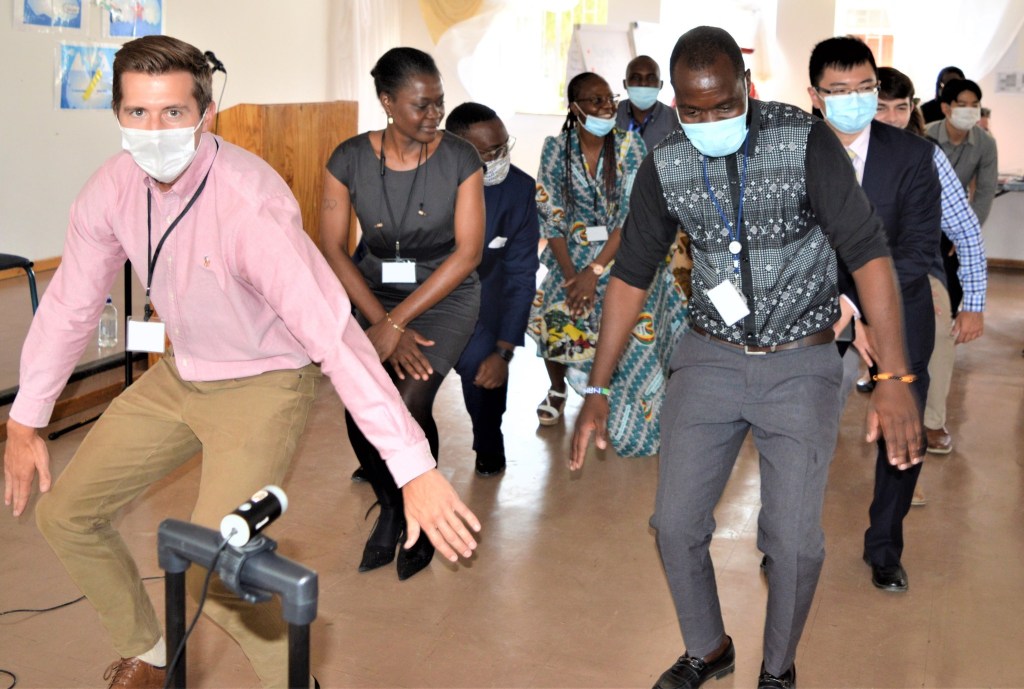
We practice singing and dancing 3 times a week. Our group has mastered a few Namibian songs and performs them whenever we meet new locals! One day we performed our favorite song, Tate Gwetu, for a Youth Choir, officials from the municipality of Okahandja, and the entirety of the Peace Corps Namibia staff.
GROUP WORK
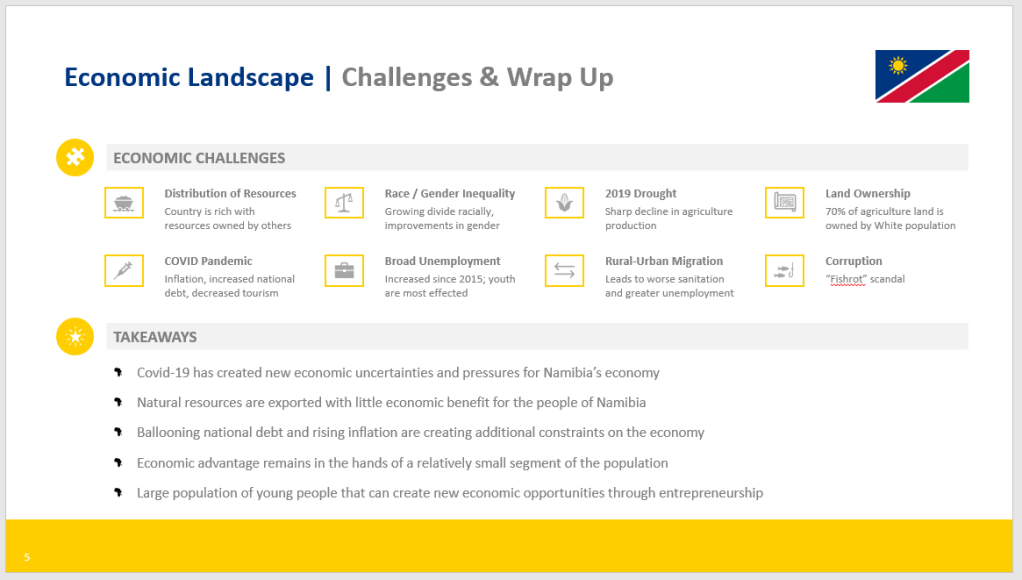
We do a lot of group work here during training sessions. For my old coworkers that were worried about my PPT skills going to waste out here in Namibia, fret not, I brought my passion for light gray boxes and iconography to Peace Corps and did not allow my group to go anywhere near Google Slides during our History of Namibia group presentation.
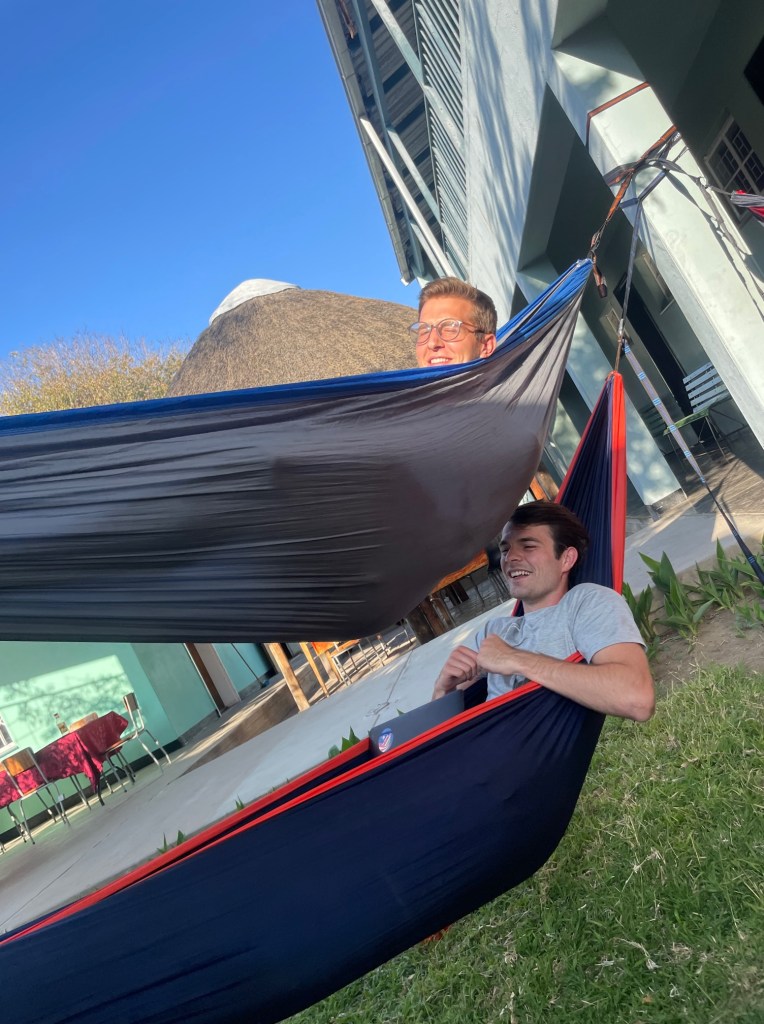
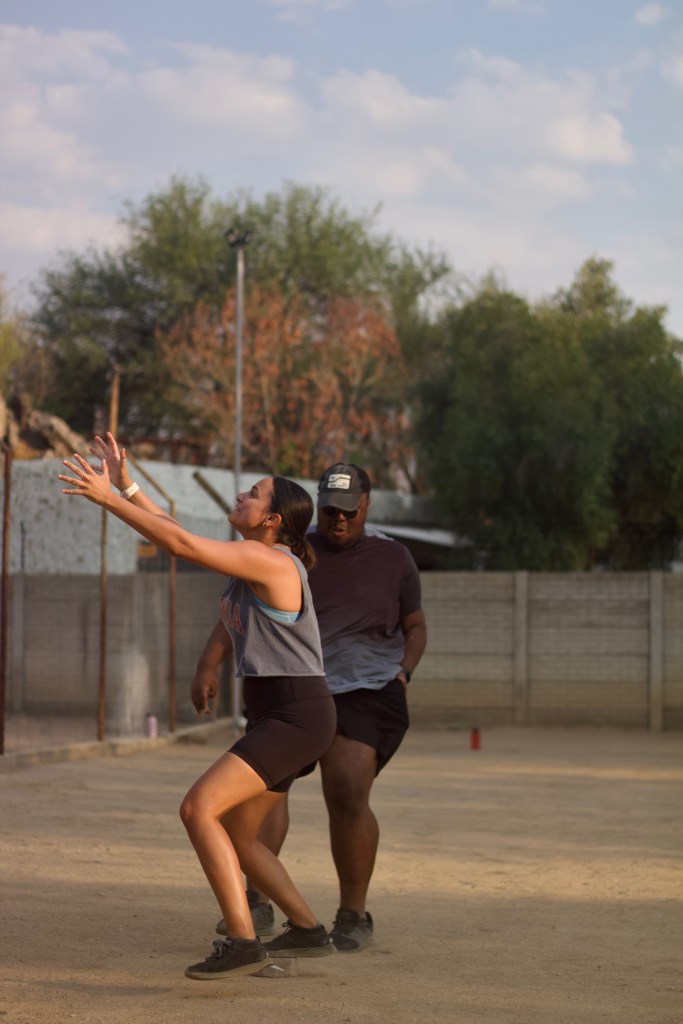
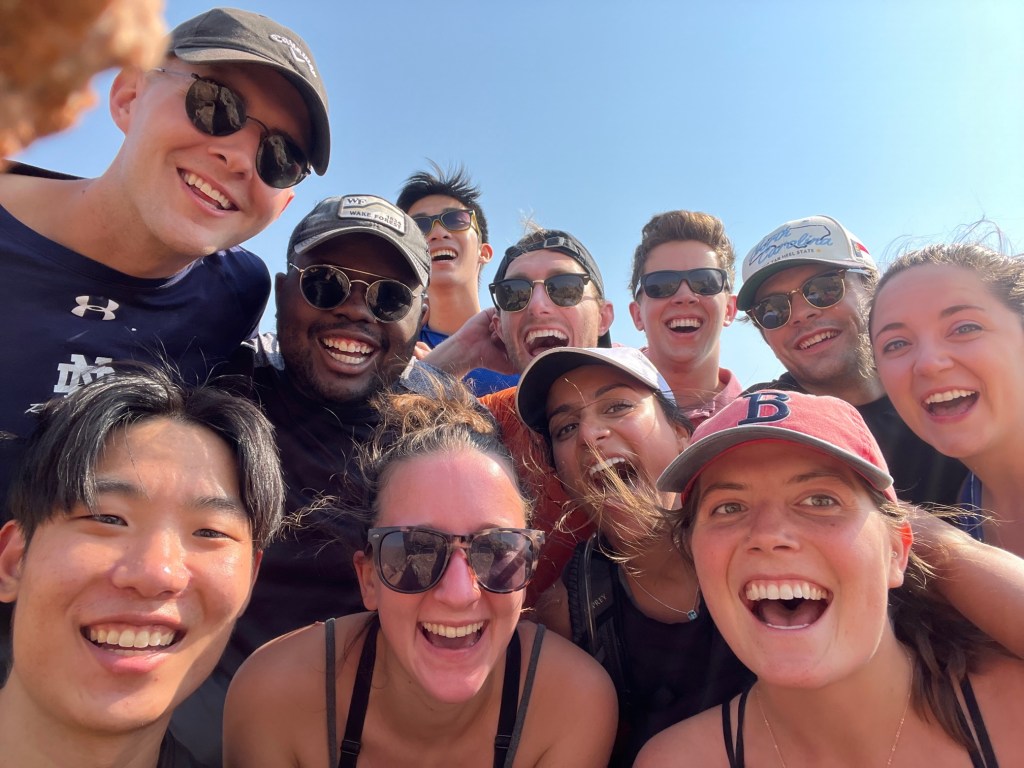
GROUP BONDING
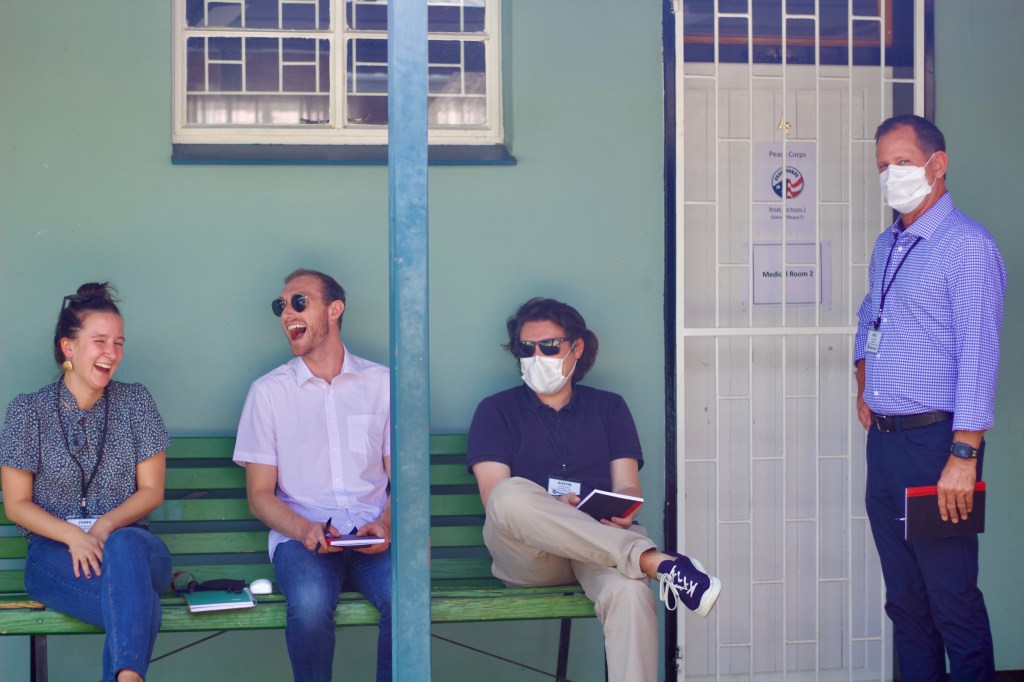
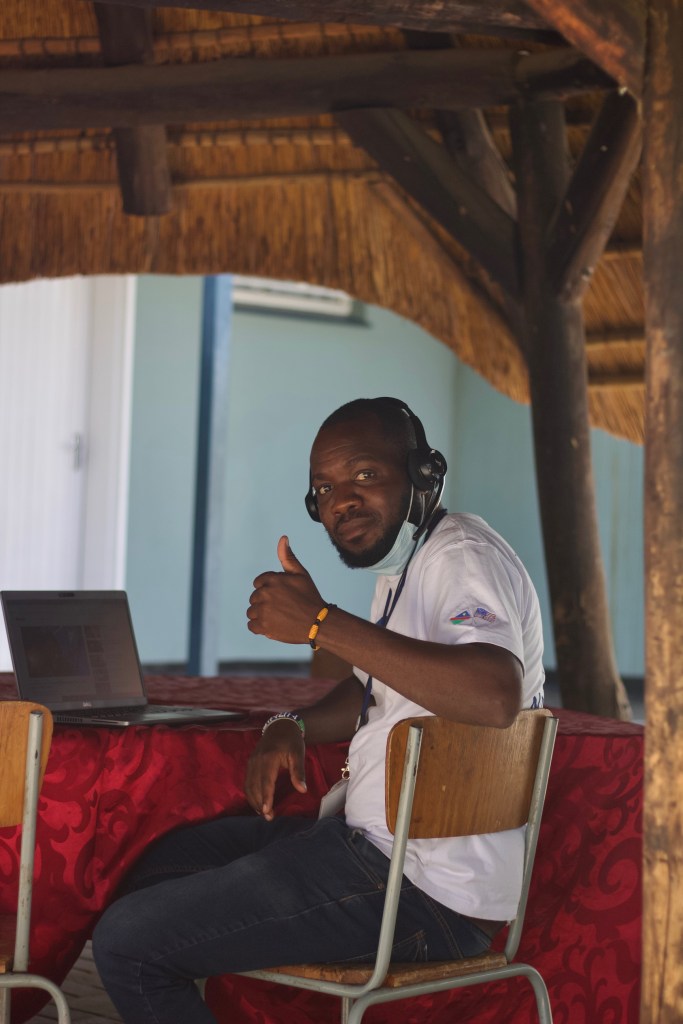
Life here in Peace Corps training feels like summer camp. Pictures tell 1,000 words so enjoy some snaps of my beautiful team!
KEY LEARNINGS
NAMIBIAN HISTORY
I am no historian so I will do my best to give a synopsis of the history of Namibia but please research further if you are interested in how Namibia came to be. In a conscious effort to not begin Namibia’s story at the time of colonization I will start at the pre-colonial time period. The indigenous people of Namibia were the native San, Damara, Nama, and Bantu ethnic groups. They lived peacefully within a barter economy and hunter gatherer lifestyles.
In 1894 the German settlers arrived and by 1904, the Germans committed a genocide against the indigenous people in their colony of German Southwest Africa (present Day Namibia). They hunted Herero and Nama indigenous people and pushed them into the Namib dessert, killing through cattle, starvation, dehydration, forced labor, sexual violence, and diseases to ethnically cleanse the countryside and make room for German settlers. The genocide killed approximately 80,000 indigenous people. Those who did not die during the genocide were put into concentration camps and treated as slave labor.
In present day Namibia, the German influence is very prevalent. The White population holds 90% of the wealth and 70% of the land. Still, Germany has failed to give a proper acknowledgement and apology for the lives taken during the genocide. The Herero-Nama genocide occurred 30 years before Hitler came to power. This genocide was a prelude to the Holocaust both in ideology and racial hierarchy, yet unsurprisingly it was never taught in our history books.
As American volunteers in a foreign country that has a history of European colonization, it is vital to understand the impacts our identity will have on our service. I will remind myself every day to actively work to never affirm the history that Namibia is waiting to be saved by a Western or a White foreigner. We are here for a mutually beneficial learning experience and that must never be looked past.
MY ROLE AS AN ECONOMIC EMPOWERMENT PROGRAM VOLUNTEER
In my cohort of 16 Peace Corps Volunteers, 9 of us are working in the Economic Development Sector and 7 are working in the Community Health HIV & Aids Prevention Sector. I am in the Economic Development sector and will be working with local entrepreneurs with a focus on women and youth.
“Women are the backbone of the economy, Youth are the future, and Men…they exist too”
Efraim, my Economic Development teacher
The Economic Empowerment Program that I will be working on is an effort to develop stronger and greater entrepreneurs in Namibia as a mitigation to the extremely high unemployment rate (33%). During class one day, Teacher Linda explained how many entrepreneurs lack basic business knowledge like product placement, innovation, and market strategy. In any other setting this might have sounded like a typical business class filled with jargon and buzz words. The practical part of Peace Corps learning was that later that day I walked to the Okahandja wood market with my friend Kaelin and observed 300+ market stands, all selling the exact same wood products. I was absolutely puzzled at the lack of differentiation I saw, while also extremely motivated at the thought that I could potentially be working in a community of local entrepreneurs assisting with building those exact business capabilities I saw lacking.
I will not pretend to be an expert on all things business. While I have some skills and knowledge to offer, I am also fully aware that I have plenty to learn. In class I was recently challenged on some of my existing ideologies of financial capital being a key foundation to entrepreneurial development. As we learned the political and economic landscape of Namibia, it became very clear that there are not many formalized group savings communities / credit unions, nor are banks making microloans accessible to entrepreneurs. This was surprising to learn, considering the advancements South Africa has made with its formalized credit unions (Stokvels) within their townships and their progression with microfinance banks. With the lack of access to financial capital I began to question if our Economic Empowerment Program could really be successful and sustainable. I had a thought-provoking discussion with some peers and Teachers Linda and Efraim regarding my perspective on financial capital being a key to success for entrepreneurial development. They countered my perspective with the idea that it takes capital to grow not start, and the bootstrapping approach can be successful at the scale we are targeting. My current bank of perspectives and ideologies come exclusively from numerous case studies I have read regarding economic development. I look forward to challenging and testing these learnings, in real life, once I am placed at site in a couple months.
CULTURAL LEARNINGS
Integrating into Namibian culture is one of our top goals as Peace Corps volunteers. It’s been nostalgic for me to learn Namibian cultural norms that might not seem like norms for American culture, but very much remind me of norms that my mom always taught me from Indian culture. I love the overlap of the two cultures and find beauty in the fact that there are similarities across different people everywhere.
I’ll conclude will some fun cultural learnings that we have learned from our leads Kaekoo and Frikkie, specifically the ones that bring me back to the teachings of my momma.
- Greet EVERYONE, every time you meet them. This is perhaps the most important cultural norm that has been stressed here in Namibia. It does not matter who it is, or where you’re going – if you see someone you greet them, genuinely and fully. If you know my mom, you know she DEMANDS a greeting. From the time I was young, she has always instilled the value of recognizing a person’s presence.
- When offered food, always say yes to at least trying it! My mom’s love language is feeding people, don’t reject her love.
- Always share your food! My brother and I always poke fun at that fact that my mom won’t even try her own food before putting it on your plate to enjoy first.
- Eat in silence, it’s a time to pray. I have memories of fighting my mom on this one growing up. I wanted dinner time to be a time to chat and catch up, she wanted silence as a time to focus and cherish your blessings.
- Don’t respond with “What”. This one is funny, but our Training leader Kaekoo told us that Namibians find it very rude when Americans say “What” whenever they misunderstand or cannot hear something. Growing up if I ever responded “What” to my mom, she would call out my name again giving me a chance to redeem myself and respond instead with “Yes Mom?”.
Miss you Koko, thanks for all the early lessons of cross-cultural integration that I am just now realizing you have been teaching me all my life!


I’ll end with a very special shout out to my favorite photographer whom I must give creds for every professional photo included in this blog (including the feature photo)! Thank you Ethan!!
Peace and love until next time folks!


Leave a Reply